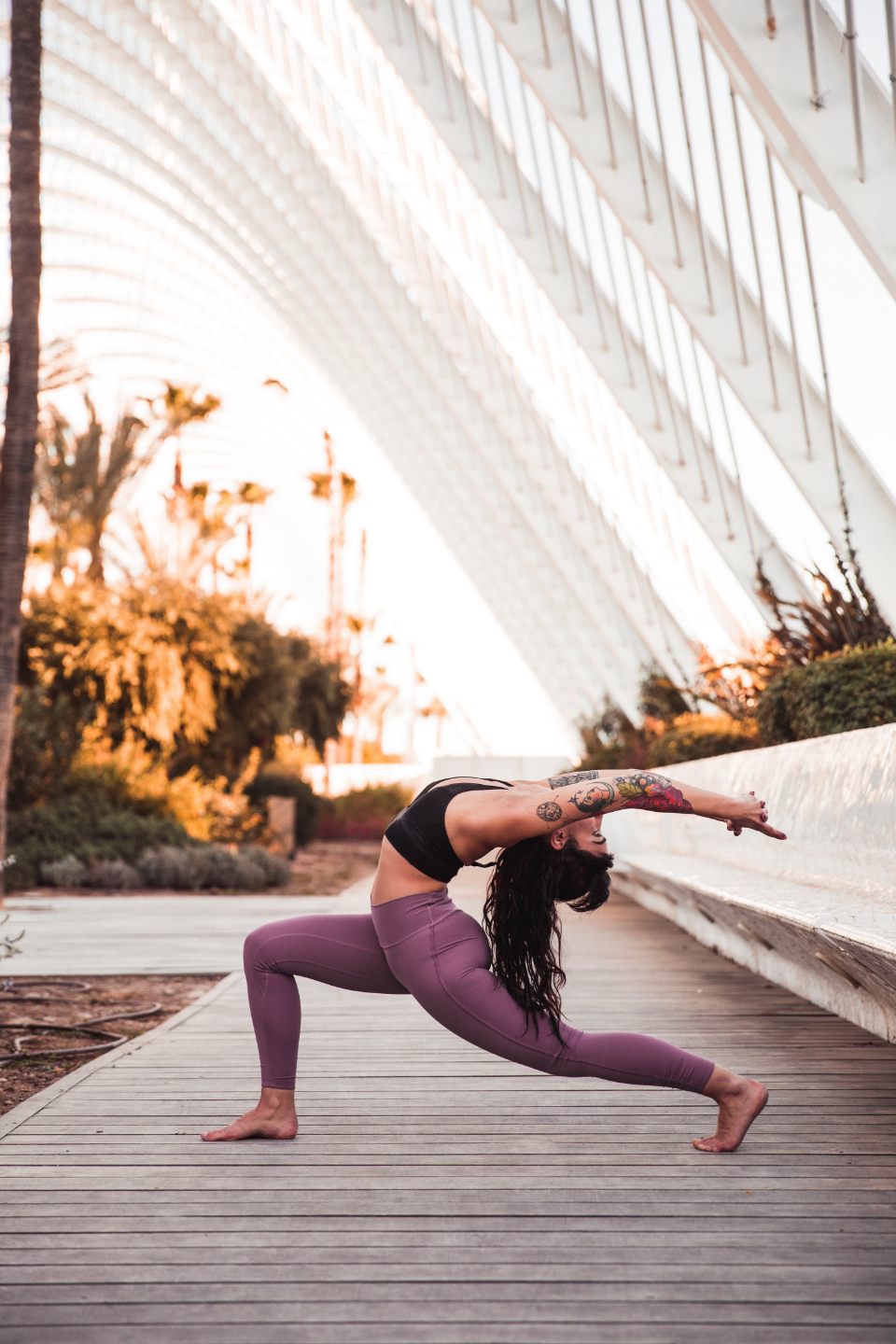
01
The nervous system gets a baseline
At home, practice competes with notifications. On retreat, the gap between one thing and the next is long enough that your body registers it. People often notice this on the second morning, not the first.
Retreats
A retreat is not a holiday with a stretch class attached, and it is not a cure. It is a few days where the only thing on the schedule is attention. Here is how to think about one.
A retreat gathers a small group somewhere quiet for a few days, with practice — postures, breath, meditation — as the organising rhythm rather than an optional extra. Meals are usually shared, afternoons are usually free, and the phone is usually further away than it is at home.
Formats vary enormously. Some are silent and strict; others feel like a wellness holiday with two classes a day. Some involve fasting, detox claims and very long sitting; others are physical and demanding. Before booking anything, establish which one you are buying.
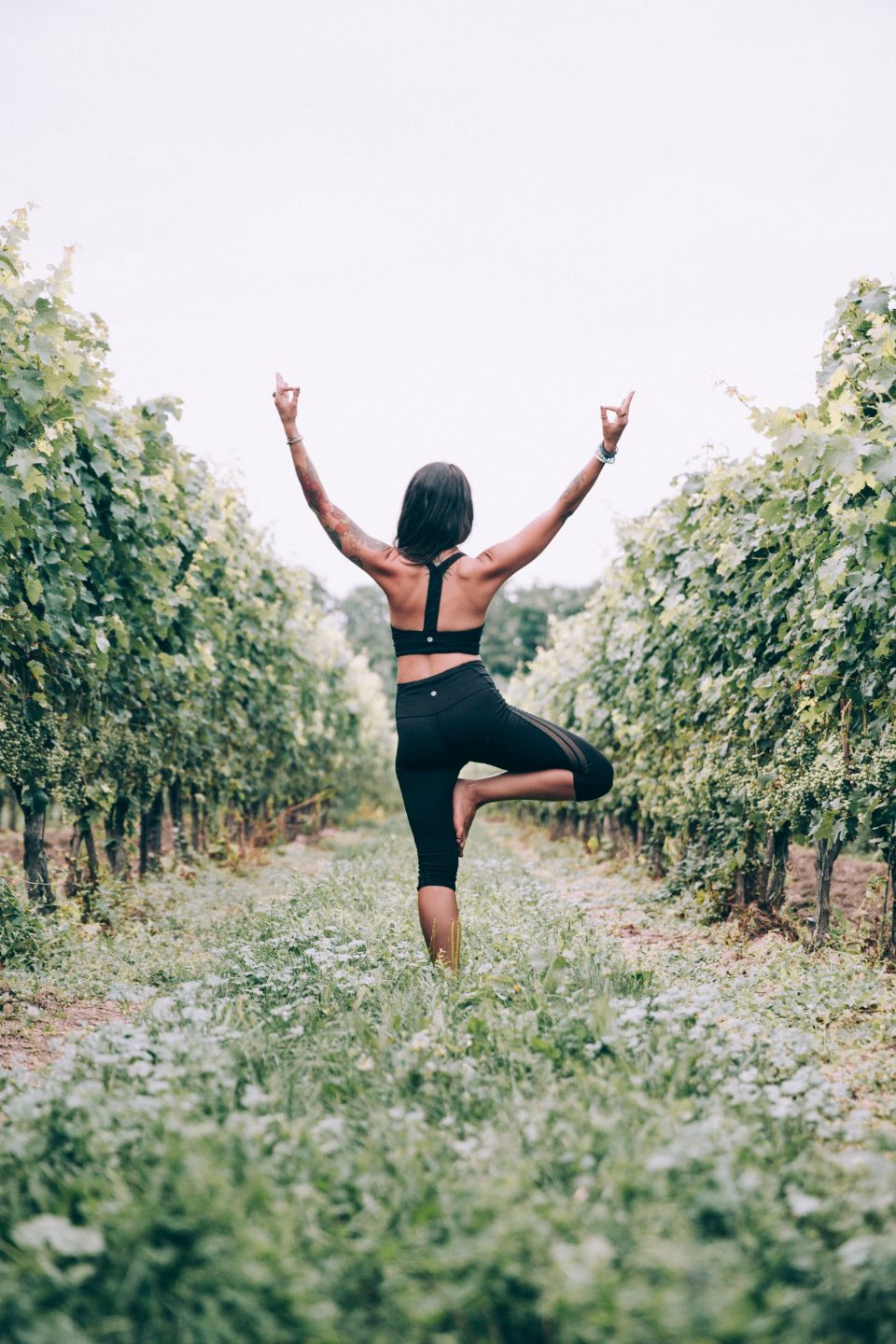
Time away changes what a class can reach
Why time away helps
Not enlightenment. Something more useful and more ordinary.
01
At home, practice competes with notifications. On retreat, the gap between one thing and the next is long enough that your body registers it. People often notice this on the second morning, not the first.
02
Two classes a day for five days does something a weekly class cannot: the body learns the shapes, and the mind stops bracing for the next instruction. Progress stops feeling like a performance review.
03
Often the most underrated outcome. Early practice, daylight, walking and an early dinner move the circadian rhythm more reliably than any app. Bring something to read; you may sleep a lot.
04
Away from your usual cues — the phone, the fridge, the inbox — patterns become visible. Not permanently fixed. Just visible, which is where change actually starts.
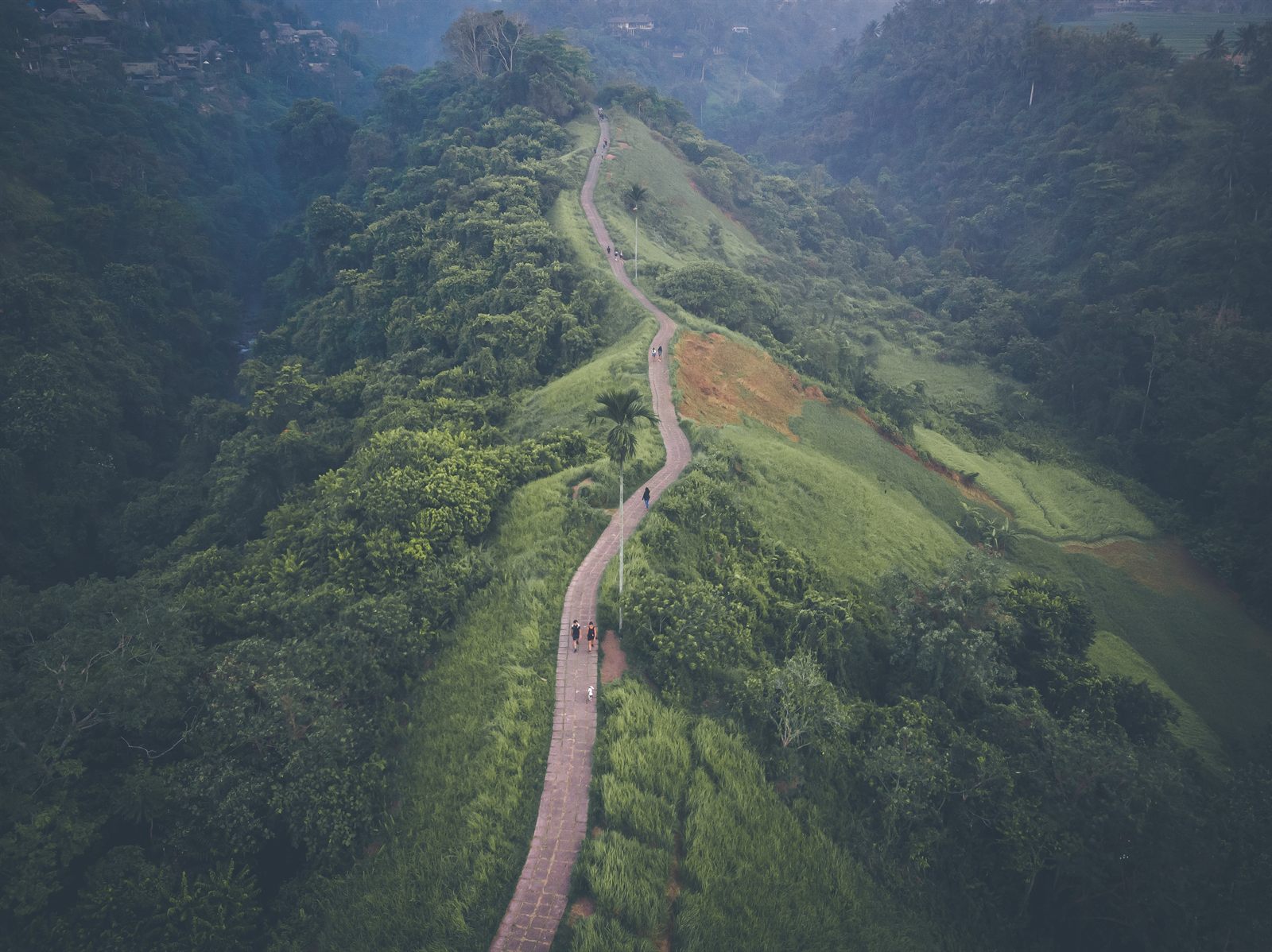
The landscape does part of the teaching
A retreat that ignores its setting is just a studio with more travel costs. In the highlands, nature is not decoration — it is the schedule. Mist delays the terrace session. A clear dawn means walking before breakfast. Rain is permission to sit longer.
This is the practical argument for combining practice with landscape: attention is easier to sustain when there is something worth noticing. A slow walk, a cold morning, a view that does not ask anything of you — these do the same job as a guided meditation, often better.
An illustrative shape, not a promise: breath work at first light, a longer asana session before breakfast, free time or a walk in the late morning, a light lunch, rest, an afternoon workshop on alignment or philosophy, an evening restorative practice, and an early night.
Good retreats leave gaps in that shape. A full day of programmed wellness is its own kind of work.
The highlands are cool, quiet and visually vast, which is unusually conducive to long practice days. There is enough distance from the coast to make the retreat feel like a different place, and enough local life — farms, markets, temple ceremonies — to keep it from becoming a sealed wellness bubble.
The altitude and the weather also enforce honesty. You cannot fake a vigorous practice at 1,500 metres on your first day. You have to slow down, which is either the lesson you came for or the reason to choose a coastal retreat instead.
We do not currently advertise fixed retreat packages, dates or prices. Anything you see elsewhere claiming to be a Yogaesthetic retreat is not ours unless it is confirmed by email from this domain. If you are interested in an immersive few days, write to us and describe what you have in mind — we will tell you honestly whether we can host it, and what it would involve.
In the meantime, the studio page covers visiting and directions, and the benefits page explains what regular practice can reasonably be expected to do.
Continue
Enquire
If you are considering a longer stay or a private group, tell us the shape of it and we will be straight with you about what is possible.
Start a conversation